
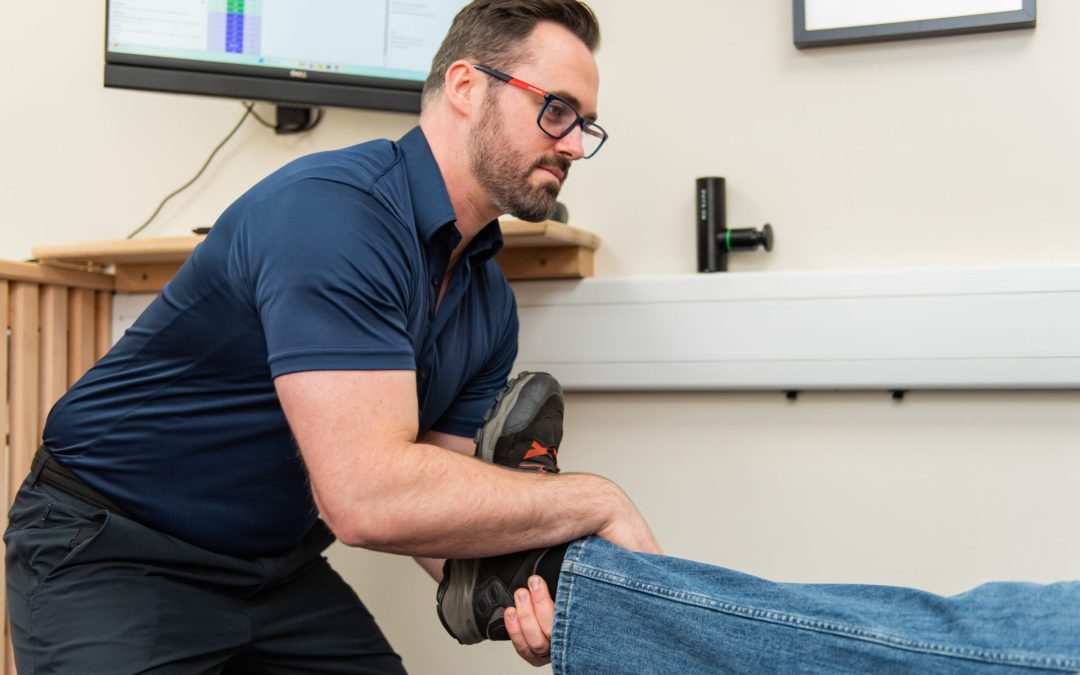
What Does A Chiropractor Actually Do?: Explained by Lichfield Chiropractors
A chiropractor assesses, diagnoses and treats problems affecting the joints, muscles, nerves and spine. Chiropractic treatment often uses hands-on techniques, movement advice and tailored care plans to help reduce pain, improve mobility and support better function.
This beginner-friendly guide explains what chiropractic care involves, how it works, what it may help with, and when it is worth booking an assessment. It is written for anyone searching “what does a chiropractor do” and wanting a clear, honest answer before taking the next step.
A Clear Answer For Anyone New To Chiropractic Care
A chiropractor helps people with musculoskeletal problems. That means issues linked to the spine, joints, muscles and movement.
Treatment may include:
- Spinal adjustments
- Joint mobilisation
- Soft tissue work
- Posture advice
- Rehabilitation exercises
- Lifestyle guidance
The aim is not simply to “crack backs”, but to understand why discomfort is happening and create a plan that helps your body move and function better.
Care usually starts with an initial assessment so the chiropractor can understand your symptoms, health history and goals before recommending treatment.

What Is Chiropractic Treatment?
Chiropractic treatment is a hands-on healthcare approach focused on the musculoskeletal system. This includes your spine, joints, muscles and nerves.
A chiropractor looks at how your body moves, where restrictions may be present, and whether certain joints or soft tissues are contributing to pain, stiffness or reduced function.
Treatment may involve several approaches depending on your symptoms and needs.
Chiropractic Adjustments
These are controlled, specific movements applied to joints to improve mobility and reduce restriction. Adjustments are commonly associated with the spine, but chiropractors may also work with other joints.
TrueBlue Chiropractic also offers specialist extremity adjustments for areas such as:
- Shoulders
- Elbows
- Wrists
- Hips
- Knees
- Ankles
Joint Mobilisation
This is a gentler technique where the chiropractor moves a joint through its natural range of motion. It may be used when a full adjustment is not suitable or not needed.
Soft Tissue Techniques
Some people have muscle tension, tightness or irritation alongside joint restriction. Soft tissue work may help reduce tension and support movement.
For active people or those recovering from strain, sports therapy may also be relevant.
Posture, Movement, and Exercise Advice
A good chiropractor should help you understand what may be contributing to the problem.
This might include:
- Desk posture
- Lifting habits
- Training load
- Sleep position
- Mobility limitations
- Repetitive movements
You can also read more about improving posture and wellness through chiropractic treatment.

How Chiropractic Works In Simple Terms
Chiropractic care works by assessing how your body moves and identifying areas that may be stiff, overloaded, irritated or not functioning well.
For example, if your lower back is painful, the issue may involve more than one structure. It could include:
- Joint restriction
- Muscle guarding
- Nerve irritation
- Poor movement habits
- Previous injury
- A combination of factors
A chiropractor will usually assess:
- How your spine and joints move
- Where pain appears
- What movements make symptoms better or worse
- Whether nerves may be involved
- How your daily routine affects the problem
- Whether chiropractic care is suitable for you
The goal is to create a clearer picture, then use treatment and advice to help improve comfort, mobility and confidence.
What Conditions Can A Chiropractor Help With?
People often visit a chiropractor for pain, stiffness, reduced movement or injury-related problems.
Common reasons include:
- Back pain
- Neck pain and stiffness
- Sciatica-type symptoms
- Shoulder, hip, knee or ankle issues
- Posture-related discomfort
- Sports injuries
- Joint stiffness
- Movement restriction
If you are dealing with sciatic symptoms, this guide on how chiropractic care may help with sciatica explains the topic in more detail.
For neck symptoms, you may also find this article on neck pain and stiffness useful.
What Happens At Your First Chiropractic Appointment?
Your first visit should be more detailed than a standard treatment session. The chiropractor needs to understand what is happening before deciding whether treatment is appropriate.
A typical first appointment may include:
- A discussion about your symptoms
- Questions about your health history
- Movement and posture checks
- Orthopaedic or neurological tests, where needed
- An explanation of findings
- A recommended care plan
- Time to ask questions
At TrueBlue Chiropractic, this starts with a patient-focused assessment at the clinic. You can learn more about the team and clinic environment on the Our Clinic and Our Team pages.
Is Chiropractic Safe?
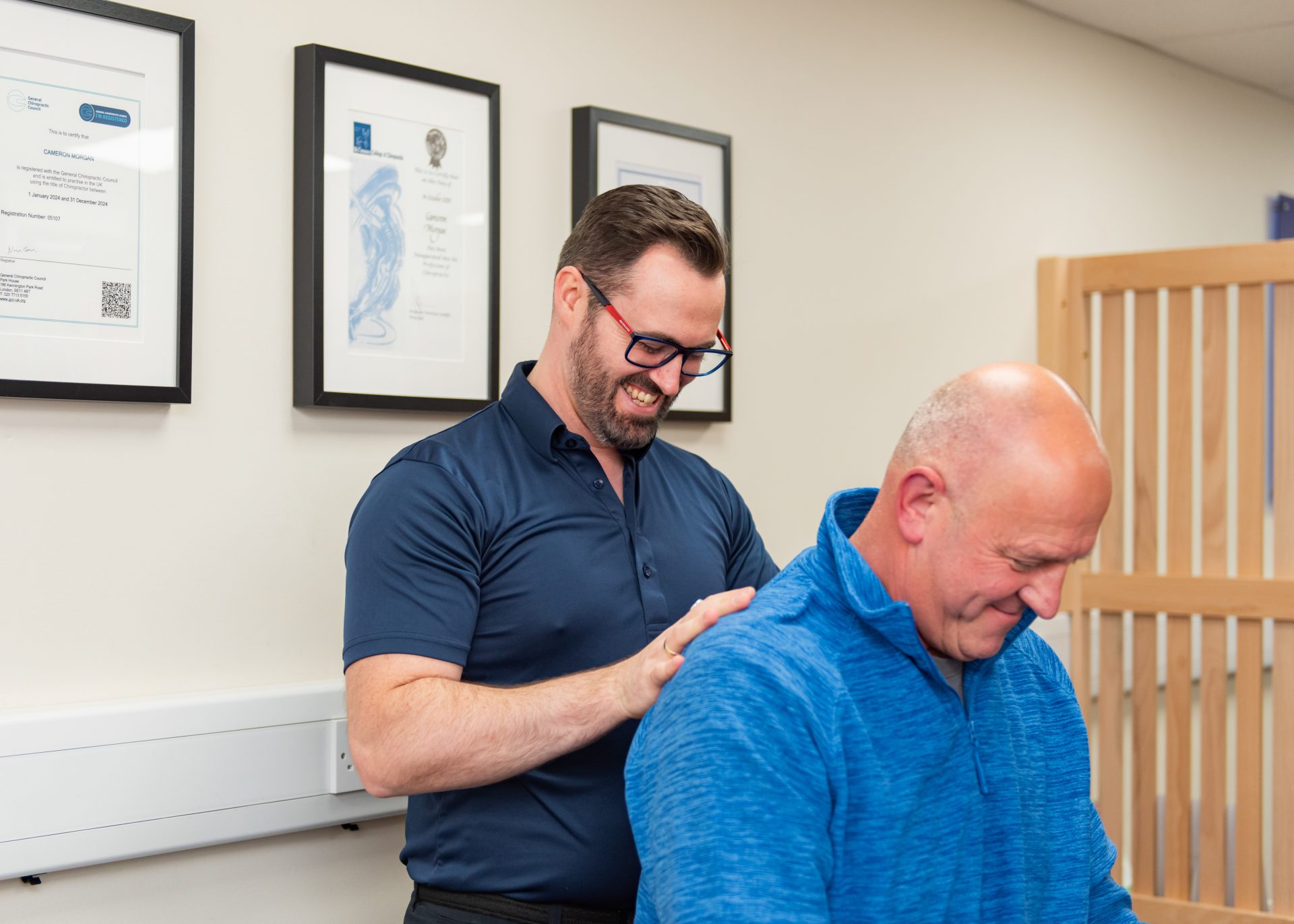
Chiropractic treatment is generally considered safe when provided by a trained and registered chiropractor. In the UK, chiropractors must be registered with the General Chiropractic Council to practise legally.
That said, chiropractic care is not suitable for every person or every condition. A responsible chiropractor should explain the benefits, risks and alternatives before treatment begins.
You should always mention symptoms such as:
- Unexplained weight loss
- Fever
- Recent trauma
- Cancer history
- Loss of bladder or bowel control
- Severe weakness
- Numbness
- Dizziness
- Sudden severe pain
These may need urgent medical assessment rather than chiropractic treatment.

What Are The Benefits Of Chiropractic Care?
The benefits of chiropractic care depend on the individual, the condition and how long symptoms have been present.
Possible benefits may include:
- Better joint movement
- Reduced stiffness
- Improved comfort
- Better posture awareness
- Clearer understanding of symptoms
- Support with injury recovery
- Improved confidence with movement
- More personalised self-care advice
For people who train regularly, this article on the benefits of chiropractic care for athletes may be a useful next read.
Common Myths About Chiropractors
Myth 1: Chiropractors Only Treat Backs
Back pain is a common reason people visit, but chiropractors also assess other joints, muscles and movement patterns. This can include neck, shoulder, hip, knee, ankle and posture-related problems.
Myth 2: Treatment Is The Same For Everyone
Good chiropractic care should be tailored. Your treatment plan should reflect your symptoms, examination findings, lifestyle, goals and comfort level.
Myth 3: You Only Need One Appointment
Some people feel better quickly, while others need a structured plan. Longer-standing problems often require consistency, follow-up and changes outside the clinic.
This guide explains why consistency and follow-up care matter.
When Should You Consider Seeing A Chiropractor?
You may want to book an assessment if you have pain, stiffness or reduced movement that is not settling, keeps returning, or affects your:
- Work
- Sleep
- Exercise
- Daily activities
- Mobility
- Comfort levels
You may also benefit from advice if you are unsure whether your symptoms are coming from your back, neck, joints, muscles or posture.
If you are looking for a chiropractor, it can be helpful to choose someone who explains things clearly, checks whether treatment is suitable, and gives you practical next steps rather than rushing into care.
Questions To Ask Before Starting Chiropractic Treatment
Before starting treatment, it is reasonable to ask:
- What do you think is causing my symptoms?
- Is chiropractic care suitable for me?
- What treatment do you recommend and why?
- Are there any risks or alternatives?
- How many sessions might I need?
- What can I do at home to support recovery?
- When should I seek medical help instead?
A good chiropractor should welcome these questions.
FAQs About What A Chiropractor Does
Q: Does A Chiropractor Crack Your Back?
Sometimes chiropractic adjustments can create a clicking or popping sound, but this is not the main purpose of treatment. The aim is to improve joint movement and function, not simply to make a noise.
Q: Do Chiropractors Treat Sciatica?
Chiropractors may help some people with sciatica-type symptoms, depending on the cause. A proper assessment is important because leg pain, numbness or weakness can have different causes.
Q: Do I Need A GP Referral To See A Chiropractor?
In most cases, you can contact a chiropractor directly without a GP referral. If your symptoms suggest you need medical investigation, a responsible chiropractor should advise you accordingly.
Q: Is Chiropractic Treatment Painful?
Treatment should be explained and adapted to your comfort level. Some people feel temporary soreness afterwards, similar to post-exercise aching, but you should always tell your chiropractor if anything feels uncomfortable.
Q: How Long Does Chiropractic Treatment Take To Work?
It varies. Some people notice changes quickly, while others need a longer plan depending on the condition, lifestyle factors and how long the issue has been present.
Taking The Next Step With Confidence
If you are still asking “what does a chiropractor do?”, the simplest answer is this: a chiropractor helps you understand and manage problems affecting movement, joints, muscles and the spine.
The best next step is not to guess. It is to have a proper assessment, ask questions and find out whether chiropractic care is suitable for your symptoms.
To speak with a friendly Lichfield chiropractor, visit TrueBlue Chiropractic’s chiropractic care page or get in touch through the contact page.